
Introduction
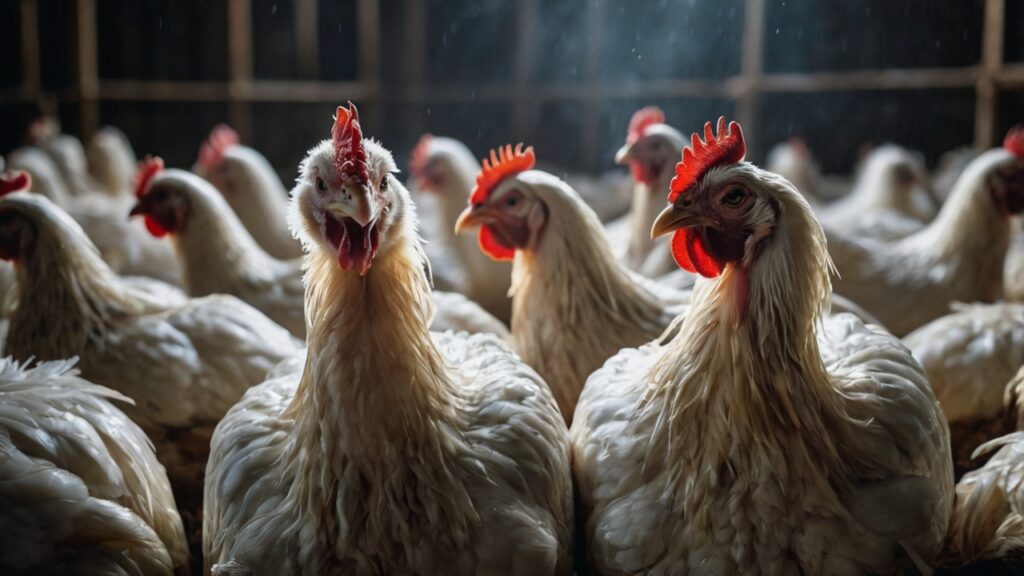
The H5N1 Avian Influenza (Bird Flu) outbreak in India has become a major concern for poultry farmers, businesses, and public health authorities. This highly pathogenic strain spreads rapidly among birds, causing mass mortality in poultry, economic losses, and potential risks to humans.
1. What is H5N1 Bird Flu?
1.1 The Virus & Its Origin
- H5N1 is a subtype of Influenza A virus, primarily affecting birds.
- Wild migratory birds (ducks, geese) are natural carriers, spreading it to domestic poultry.
- First detected in India in 2006, with periodic outbreaks since then.
1.2 How Does It Spread?
| Transmission Route | Risk Level | Prevention Method |
|---|---|---|
| Direct contact with infected birds | Very High | Isolate sick birds immediately |
| Contaminated feed/water | High | Use clean, covered feeders & waterers |
| Airborne droplets (from wild birds) | Moderate | Install bird-proof nets on farms |
| Human-mediated (shoes, vehicles, equipment) | High | Strict farm entry controls & disinfection |
1.3 Can Humans Get Infected?
- Rare but possible (if handling infected birds without protection).
- Symptoms in humans: Fever, cough, pneumonia, severe respiratory distress.
- No evidence of human-to-human transmission yet, but mutations could increase risk.
2. Impact on Poultry Farms & Business
The disease can be fatal in poultry within 48–72 hours. Mortality rates in infected flocks can reach up to 90–100%, affecting:
- Broilers (meat production)
- Layers (egg production)
- Parent stock (breeding flocks)
2.1 Economic Losses
- Mass culling (Government mandates killing infected & exposed birds).
- Export bans (Countries like UAE, Oman restrict Indian poultry imports).
- Price crash (Consumer fear reduces demand for chicken & eggs).
2.2 Supply Chain Disruption
- Shortage of eggs & meat → Price fluctuations.
- Processing plants shut down → Loss of daily wages for workers.
2.3 Long-Term Business Risks
- Farm closures (Small farmers may not recover financially).
- Increased production costs (Biosecurity investments rise).
3. Symptoms & Early Detection in Poultry
3.1 Early detection is essential. Watch for:
*Nervous symptoms like tremors, paralysis, twisted neck
*Sudden unexplained deaths
*Swelling in head, face, wattles
*Discoloration (bluish) of combs and legs
*Severe drop in feed/water intake
*Greenish diarrhea
*Egg production drop or deformed eggs (in layers)
*Coughing, sneezing, nasal discharge
3.2 Clinical Signs in Live Birds
| Symptom | Broilers | Layers | Parent Stock |
|---|---|---|---|
| Sudden death | ✔ High | ✔ Moderate | ✔ High |
| Swollen face/wattles | ✔ | ✔ | ✔ |
| Purple comb/legs | ✔ | ✔ | ✔ |
| Nasal discharge | ✔ | ✔ | ✔ |
| Drop in egg production | ✖ | ✔ Severe | ✔ Moderate |
| Diarrhea (greenish) | ✔ | ✔ | ✔ |
3.3 Post-Mortem Findings
- Hemorrhages in trachea, intestines, & muscles.
- Swollen spleen & kidneys.
- Fluid accumulation in lungs & air sacs.
3.4 What to Do If You Suspect Bird Flu?
- Isolate sick birds immediately.
- Notify local veterinary authorities.
- Stop all movement of birds & workers.
- Avoid selling eggs/meat from the farm.
4. Prevention & Control Measures (Farm-Specific)
4.1 General Farm-Level Prevention Measures
* Biosecurity Protocols
- Set up restricted zones for workers and vehicles
- Use footbaths and hand disinfectants at every entry/exit point
- Disinfect feed trays, drinkers, cages, and tools regularly
* Isolation and Quarantine
- Quarantine new birds for at least 14 days before mixing
- Separate different age groups and types (broiler/layer/parent)
* Pest and Wild Bird Control
- Install netting on open sides and roofs
- Keep feed and water covered at all times
- Eliminate rodents and insects using safe repellents
* Monitoring and Reporting
- Keep daily logs of feed intake, mortality, and egg output
- Isolate any sick birds and notify authorities immediately
* Vaccination
Some regions allow killed-virus vaccines for emergency use
Consult your state veterinary officer about vaccine availability
4.2 For Broiler Farms (Step-by-Step)
Biosecurity
✅ Restrict entry – Only essential workers allowed.
✅ Foot baths & disinfectant sprays at entry points.
✅ Wild bird control – Netting over sheds, avoid open water sources.
Health Management
✅ Daily monitoring – Check for lethargy, coughing, or deaths.
✅ Vaccination (if available) – Consult govt. vets for approved vaccines.
Sanitation
✅ Clean feeders & waterers daily (Use virucidal disinfectants).
✅ Proper disposal of dead birds (Bury deep with lime).
4.3 For Layer Farms
Egg Safety
✅ Disinfect eggs before storage.
✅ Avoid mixing eggs from different flocks.
Stress Reduction
✅ Maintain optimal temperature & ventilation.
✅ Provide immune-boosting supplements (Vitamins A, E, selenium).
4.4 For Parent Farms (Breeders)
High-Level Protection
✅ Separate breeding units from commercial flocks.
✅ Use PPE (gloves, masks, boots) for workers.
Testing & Reporting
✅ Regular blood/serum testing.
✅ Immediate reporting of unusual mortality.
5. Treatment & Outbreak Management
5.1 If Infection is Confirmed:
- Culling (Humane Euthanasia) – Govt. teams will cull birds within 1km radius.
- Deep Cleaning – Use formalin, iodine, or sodium hypochlorite for disinfection.
- Farm Lockdown – No restocking for at least 21-30 days.
5.2 Can Bird Flu Be Cured?
- No effective antiviral treatment for poultry.
- Antibiotics only prevent secondary infections.
6. Financial Protection for Farmers
6.1 Insurance Options
- Avian Flu Insurance (Covers culling losses).
- Business Interruption Policy (Compensates during shutdowns).
6.2 Government Support
- Compensation for culled birds (Check state-wise schemes).
- Subsidies for biosecurity upgrades.
6.3 Diversification Strategies
- Alternative income sources (Fish farming, dairy, organic crops).
- Value-added products (Egg powder, processed meat).
Conclusion
The H5N1 bird flu outbreak is a serious threat, but preventive measures, early detection, and financial planning can minimize losses. Strict biosecurity is the best defense, and farmers must stay updated on government advisories.
Key Action Points:
🔹 Implement strict farm hygiene & entry controls.
🔹 Monitor birds daily for symptoms.
🔹 Secure insurance & explore diversification.
By following these steps, poultry farmers can protect their livelihoods and contribute to controlling the outbreak in India.